




Nigeria has recorded a major boost in its international oil trade after selling approximately $578 million worth of crude oil to United States, one of the world’s largest energy consumer markets.
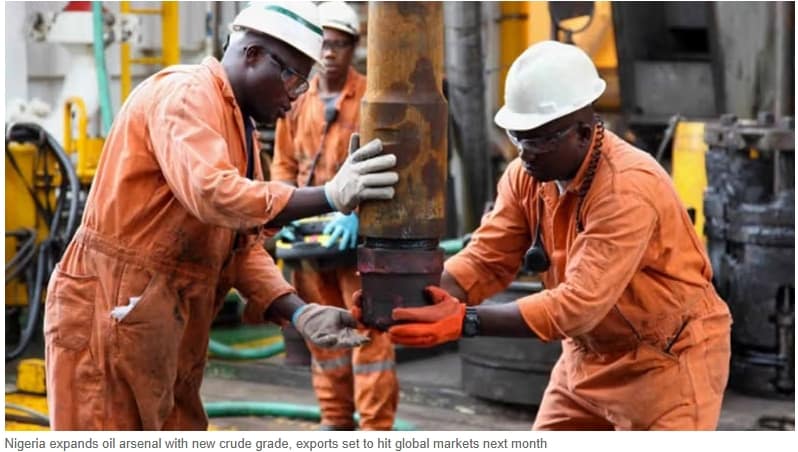
The development marks a significant moment for Nigeria’s oil sector as the country continues efforts to strengthen foreign exchange earnings, expand export markets, and reposition itself within the competitive global energy industry.
Industry analysts say the crude export deal reflects renewed international demand for Nigerian crude grades, particularly due to their relatively low sulphur content and suitability for several international refineries. The increase in exports also comes at a time when global energy markets are experiencing renewed volatility linked to geopolitical tensions, production cuts, and changing supply dynamics.
According to trade and energy market reports, the United States remains one of the world’s biggest oil-consuming economies despite its own large-scale domestic production. American refiners continue to source crude from multiple international suppliers to meet refining needs and maintain energy supply flexibility.
Energy experts say Nigeria’s growing crude trade relationship with major global markets could help stabilise government revenue at a time when the country faces economic pressure linked to inflation, currency instability, and rising debt obligations.
An energy analyst based in Lagos described the development as “an encouraging signal for Nigeria’s export economy.”
“Nigeria still remains an important player in global crude supply, especially with the quality of its oil grades,” the analyst explained. “The challenge now is how to convert strong export earnings into long-term economic stability and industrial growth.”
The oil sector remains central to Nigeria’s economy, accounting for a significant share of government revenue and foreign exchange earnings. However, economists continue to warn that overdependence on crude exports leaves the country vulnerable to global oil price fluctuations and external market shocks.
There are also growing calls for Nigeria to accelerate investment in domestic refining capacity, value-added petrochemical industries, and energy infrastructure to reduce dependence on fuel imports and maximise the economic benefits of its natural resources.
The recent expansion in exports comes amid broader efforts by the Nigerian government to attract foreign investment into the energy sector and increase oil production levels following years of output challenges linked to theft, pipeline vandalism, and underinvestment.
Observers say while strong export figures are positive for the economy, long-term growth will depend on how effectively oil revenues are managed and diversified into sectors such as manufacturing, agriculture, technology, and infrastructure.
For now, however, the $578 million crude export deal highlights Nigeria’s continuing strategic importance within global energy markets and reinforces the country’s position as one of Africa’s leading oil producers.

