



Keir Starmer is facing the most serious political crisis of his premiership after telling Cabinet ministers he “will not quit” despite mounting calls from senior Labour figures and MPs for him to step down.
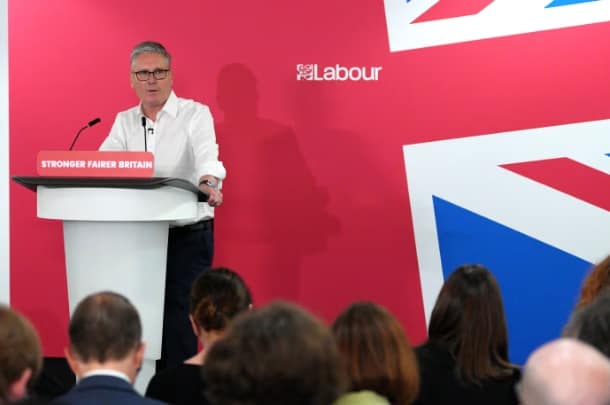
During a tense Cabinet meeting on Tuesday morning, the Prime Minister reportedly urged ministers to unite behind his leadership as pressure intensified following Labour’s poor local election results and growing unrest within the party. The crisis has exposed deep divisions inside the governing party less than two years after Labour’s landslide general election victory in 2024.
The political turmoil escalated after reports emerged that at least four senior figures within Labour’s top ranks had privately urged Sir Keir to resign, including Home Secretary Shabana Mahmood. The resignation of junior minister Miatta Fahnbulleh on Tuesday morning added to the pressure, with Fahnbulleh calling for an “orderly transition” in leadership.
Attention has now turned to Health Secretary Wes Streeting, amid growing speculation that he could launch a leadership challenge. Although Streeting’s allies have remained publicly silent, Labour insiders suggest momentum is building among MPs seeking an alternative to Starmer’s leadership.
More than 80 Labour MPs are now reportedly calling for change at the top, reflecting growing frustration over the government’s direction, falling public support, and concerns about Labour’s electoral future. Recent local election setbacks have intensified fears that the party is losing momentum despite entering government with significant public optimism less than two years ago.
On Monday, Starmer attempted to project resilience, insisting Labour would “be better and do better” while acknowledging the election results had been “tough.” However, analysts say the scale of internal dissent now raises serious questions about his political survival.
The crisis has also affected wider government activity. Chancellor Rachel Reeves reportedly withdrew from a major City event as speculation over the Prime Minister’s future dominated Westminster discussions.
Meanwhile, polling data circulating within Labour circles suggests Greater Manchester Mayor Andy Burnham is currently viewed by some voters as a more popular alternative to Starmer, adding another layer of uncertainty to the leadership debate.
Political observers say the coming days could prove decisive for the future of the Labour government. While Starmer remains defiant publicly, the scale of rebellion within his own party suggests his authority is under unprecedented strain.
What began as dissatisfaction over local election losses has now evolved into a full-scale struggle for Labour’s future leadership — one that could reshape British politics once again.

