



Nigeria is facing a difficult economic crossroads as sweeping reforms introduced by President Bola Tinubu continue to test public patience, with rising living costs intensifying pressure on households and businesses alike.
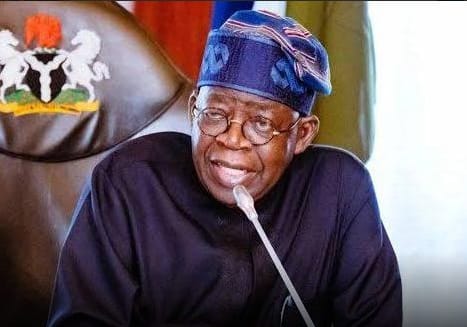
Since taking office, Tinubu’s administration has pursued bold policy changes aimed at stabilising the economy, including the removal of long-standing fuel subsidies and the unification of the foreign exchange market. Government officials argue that these measures are necessary to correct structural imbalances, attract investment, and lay the foundation for sustainable growth.
But for millions of Nigerians, the immediate impact has been severe.
Inflation has surged, driven by higher fuel prices, currency depreciation, and increased transportation and food costs. The naira’s volatility has further compounded the crisis, making imports more expensive and squeezing both consumers and manufacturers. Across major cities, from Lagos to Abuja, daily life has become markedly more expensive.
“We understand the pain people are going through,” a senior government economic adviser said. “These reforms were never going to be easy, but they are essential. The alternative—continuing with unsustainable subsidies and distortions—would have led to a far deeper crisis.”
Despite such assurances, frustration is mounting. Labour unions, civil society groups, and informal sector workers have voiced growing concern over the pace and impact of the reforms. Protests have erupted intermittently, with demonstrators calling for immediate relief measures to cushion the economic shock.
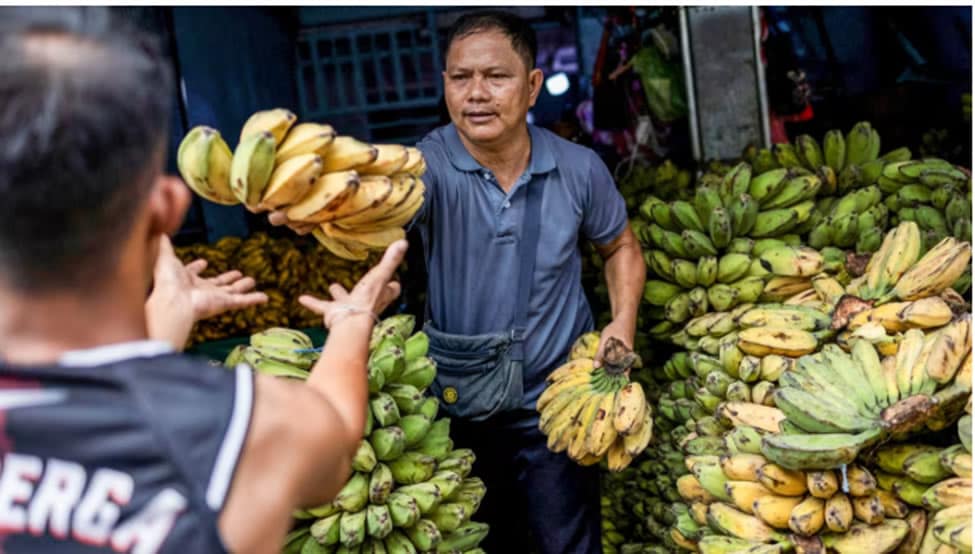
A market trader in Lagos captured the mood bluntly: “Everything has doubled—food, transport, even basic items. Customers are buying less, and we are barely surviving. They say it will get better, but when?”
Economists remain divided on the reforms’ trajectory. Some argue that the government’s approach, while painful, is long overdue. For years, Nigeria’s fuel subsidy regime consumed a significant portion of public finances, limiting investment in infrastructure, education, and healthcare.
“The reforms are fundamentally sound,” said a Lagos-based financial analyst. “But the sequencing and social protection mechanisms are critical. Without adequate safety nets, the burden falls disproportionately on the most vulnerable.”
Others warn that without visible short-term improvements, public trust could erode further, undermining the political will needed to sustain the reforms.
The government has announced a series of intervention programmes, including cash transfers, transport subsidies, and support for small businesses. However, implementation challenges and concerns over transparency have raised questions about their effectiveness.
Meanwhile, businesses are grappling with rising operational costs. Manufacturers face higher energy prices and difficulties accessing foreign exchange, while small enterprises struggle to stay afloat amid declining consumer spending.
“There is a real risk of contraction in key sectors if this continues,” said a representative of a national business association. “What we need is stability—especially in the currency market—and clear, consistent policy signals.”
International observers have largely backed the reform agenda, viewing it as a necessary step toward macroeconomic stability. However, they also stress the importance of balancing fiscal discipline with social protection.
For President Tinubu, the challenge is as much political as it is economic. Managing public expectations while delivering tangible improvements will be crucial in the months ahead.
“The government must communicate more clearly and act more quickly to ease the burden,” said a policy expert in Abuja. “People need to see not just promises, but progress.”
As Nigeria navigates this turbulent transition, the stakes remain high. The reforms may yet deliver long-term gains, but for now, the immediate reality for many citizens is one of hardship, uncertainty, and a growing demand for relief.

