




A wave of youth-led demonstrations in Kenya is reshaping the country’s political landscape, as a digitally mobilised generation challenges government policy and redefines civic engagement.
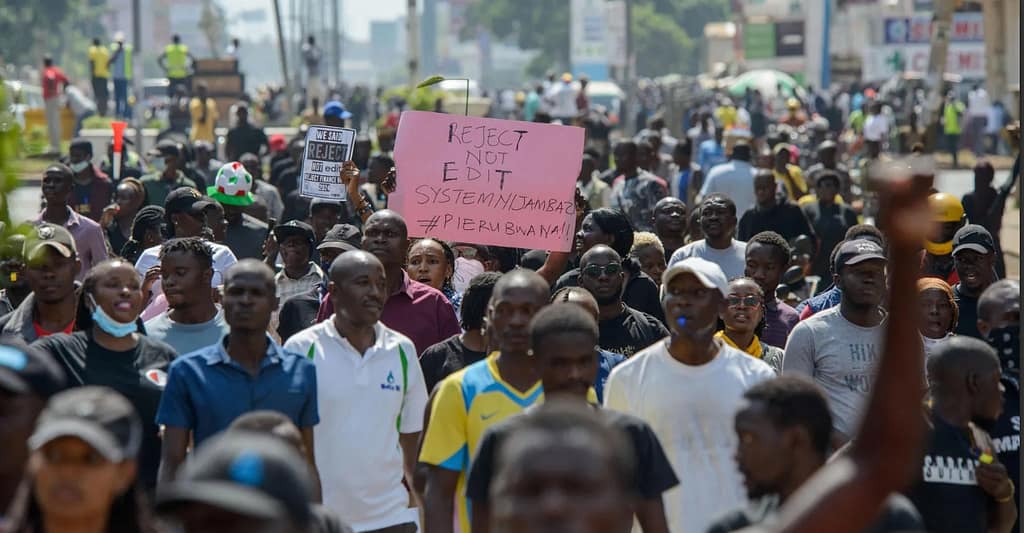
What began as scattered online discontent has evolved into a coordinated movement, driven largely by young people using platforms such as X, TikTok and WhatsApp to organise protests, share information, and amplify their demands. At the centre of their grievances are controversial tax measures and broader concerns about governance, transparency, and economic opportunity.
The protests have placed mounting pressure on President William Ruto and his administration, forcing officials to defend policies they argue are necessary to stabilise the economy. Government representatives insist that fiscal reforms, including increased taxation, are essential to reduce debt and fund public services.
But for many young Kenyans, the measures have come at a time of already strained livelihoods.
“We are not protesting because we want chaos,” said one youth organiser in Nairobi. “We are protesting because the system is not working for us. Jobs are scarce, prices are rising, and yet the burden keeps falling on ordinary people.”
Unlike traditional political movements, the current wave of protests is notably decentralised. There is no single leader or formal structure, making it harder for authorities to contain or negotiate with the movement. Instead, influence is distributed across a network of activists, influencers, and everyday citizens who collectively shape the narrative.
This fluid structure has also made the protests more resilient. Attempts to suppress demonstrations have often been met with renewed mobilisation online, where videos and first-hand accounts spread rapidly, drawing both national and international attention.
Analysts say the movement reflects a deeper generational shift. Younger citizens, more connected and politically aware than previous cohorts, are increasingly unwilling to accept decisions made without their input.
“This is not just about taxes,” said a Nairobi-based political analyst. “It is about representation, accountability, and a demand for a new social contract between the government and the governed.”
The government has responded with a mix of engagement and caution. While some officials have signalled openness to dialogue, security forces have also been deployed to manage protests, occasionally leading to tense مواجهations.
Business activity in parts of Nairobi and other major cities has been disrupted during peak demonstrations, highlighting the economic implications of the unrest. Yet many protesters argue that short-term disruption is necessary to secure long-term change.
For Kenya, the protests mark a pivotal moment. They underscore the growing power of youth voices in shaping national discourse and signal a shift away from traditional, top-down politics toward a more participatory and digitally driven model.
As the movement continues to evolve, its ultimate impact remains uncertain. What is clear, however, is that a new generation has stepped decisively into the political arena—one that is organised, vocal, and determined to be heard.

