



A landmark cross-border energy initiative between Singapore and the Malaysian state of Sarawak is reshaping ambitions for renewable power in Southeast Asia. The plan, centered on exporting clean electricity from Borneo to the island nation, signals a strategic shift toward regional energy integration and positions Sarawak as a potential “battery of Southeast Asia.”
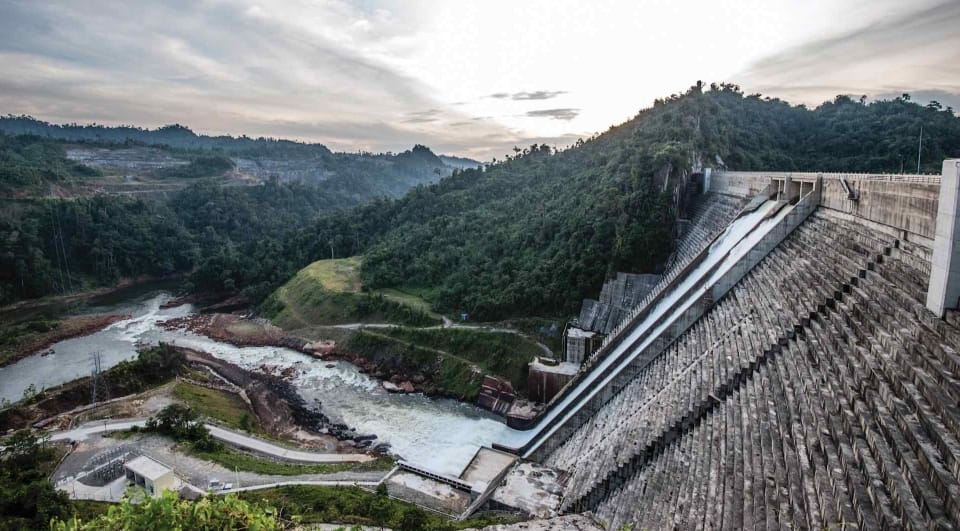
Rich in hydropower resources, Sarawak has long invested in large-scale dams and transmission infrastructure. Now, with rising demand for low-carbon energy across the region, the state is seeking to leverage that capacity beyond its borders. The proposed power link to Singapore is more than a bilateral arrangement—it reflects a broader vision of interconnected grids that allow countries to share renewable energy efficiently, balancing supply and demand across national boundaries.
For Singapore, which faces land constraints and limited natural resources, importing green electricity is a practical pathway to meet its climate targets. The country has committed to reducing carbon emissions while ensuring energy security, and regional partnerships are central to that strategy. By tapping into Sarawak’s hydropower, Singapore gains access to a stable and scalable source of clean energy without the need for extensive domestic generation.
Sarawak, meanwhile, stands to benefit economically and strategically. Exporting electricity could generate significant revenue, attract investment, and accelerate the development of its energy sector. The state government has articulated ambitions to transform Sarawak into a renewable energy hub, supporting industrial growth while maintaining a lower carbon footprint. This aligns with Malaysia’s broader environmental commitments and its efforts to transition toward sustainable development.
However, the initiative is not without challenges. Building undersea transmission cables, ensuring regulatory alignment, and addressing environmental and social concerns—particularly those related to large hydropower projects—will require careful planning and cooperation. Transparency, community engagement, and adherence to sustainability standards will be critical to maintaining credibility and long-term viability.
Despite these hurdles, the Singapore-Sarawak power plan underscores a growing recognition that energy transitions are best achieved through collaboration. As Southeast Asia grapples with rising energy demand and climate pressures, projects like this could serve as a blueprint for a more interconnected and sustainable regional grid.

