



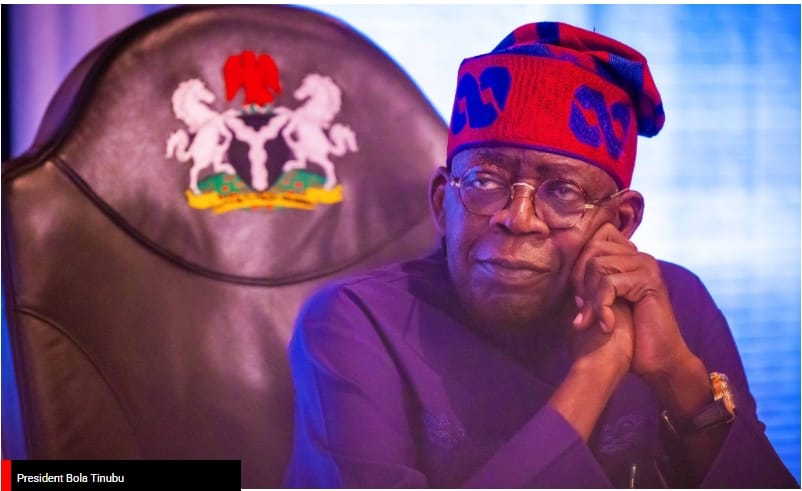
President Bola Ahmed Tinubu’s administration continues to define itself through bold economic reforms and equally bold political choices—moves that have sparked praise in some quarters and unease in others. Nearly two years into his presidency, Nigeria is witnessing one of its most aggressive policy recalibrations in decades, raising a central question: is this the beginning of structural renewal, or a high-stakes gamble on national resilience?
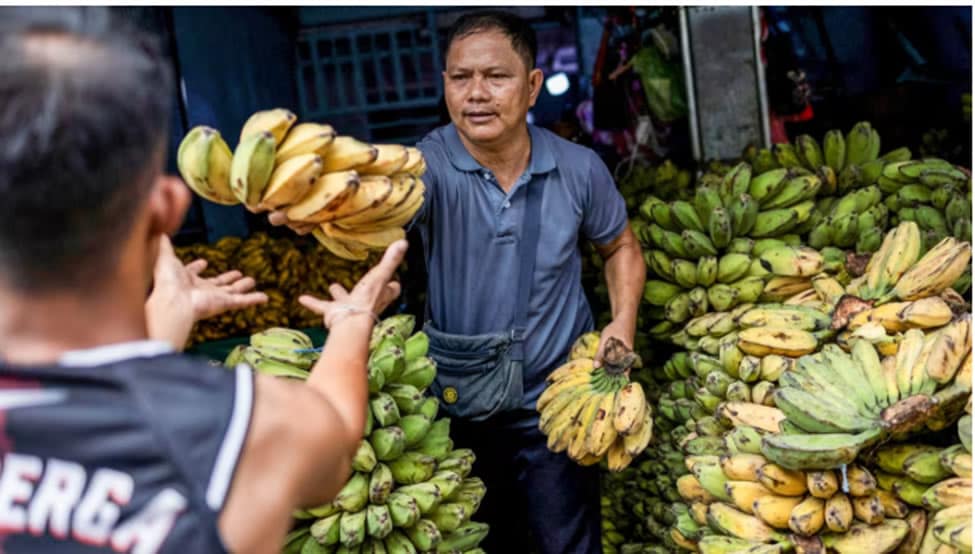
At the heart of Tinubu’s economic agenda is a decisive break from long-standing subsidies and currency controls. The removal of fuel subsidy in 2023, followed by the liberalisation of the foreign exchange market, immediately reshaped Nigeria’s economic landscape. Inflation surged, transport costs rose, and households felt the strain. Yet government officials argue that these decisions were unavoidable, describing them as “painful but necessary corrections” to decades of fiscal distortion.
Supporters of the administration insist that Tinubu has done what many predecessors avoided. One senior economic adviser recently described the reforms as “the toughest but most honest reset Nigeria has attempted in a generation,” arguing that without them, the economy would have remained trapped in unsustainable subsidies and artificial exchange rates.
However, critics counter that while the reforms may be structurally sound, their sequencing and cushioning have been inadequate. Civil society voices have pointed to rising poverty levels and a widening cost-of-living crisis, warning that “economic logic without social protection risks deepening inequality.” The controversy, therefore, is not simply about whether reform is needed, but whether it is being implemented in a way that protects the most vulnerable.
In governance, Tinubu has adopted a style that reflects both consolidation and centralisation. His appointment choices across ministries, agencies, and political offices show a preference for trusted allies and experienced political operators. This has strengthened executive coordination but also raised questions about inclusivity and regional balance in a deeply plural federation.
Political observers note that Tinubu’s approach mirrors his long-standing reputation as a strategist who builds systems through networks of loyalty. One analyst described it as “a governance model that prioritises control and execution speed over bureaucratic diffusion,” adding that it may improve decision-making efficiency but could also concentrate too much influence at the centre.
The political dimension of his presidency is equally complex. Within the ruling coalition, Tinubu has managed to maintain relative cohesion despite underlying tensions over zoning expectations, party restructuring, and electoral ambitions ahead of 2027. Yet opposition parties argue that Nigeria’s democratic space is narrowing, citing concerns about institutional independence and electoral competitiveness.
Tinubu’s defenders reject this framing, insisting that Nigeria’s democracy is instead becoming more competitive and less transactional. They argue that his administration is strengthening fiscal discipline among states through reforms in revenue allocation and debt management, while also pushing subnational governments toward greater accountability.
On infrastructure and investment, the government has sought to project optimism. Large-scale projects in transport, energy, and digital economy reform are being promoted as signals of long-term planning. Foreign investors have responded cautiously but positively, particularly to Nigeria’s improved foreign exchange unification policy, which many see as a step toward transparency.
Still, the contradiction remains visible: macroeconomic reforms are attracting interest, while microeconomic hardship continues to dominate daily life for millions of citizens. This dual reality is at the centre of the “Tinubu paradox”—a government simultaneously credited with structural courage and criticised for immediate social pain.
Perhaps the most interesting aspect of Tinubu’s presidency is not whether his policies are right or wrong, but how deliberately disruptive they are. He appears willing to absorb short-term political costs in exchange for long-term economic repositioning. That approach is politically risky in any democracy, especially one as economically sensitive as Nigeria.
As one political economist put it, “Tinubu is attempting a compressed reform cycle that usually takes a decade, not a term. The controversy is inevitable because the adjustment shock is real, but so is the potential payoff.”
Whether history ultimately views this period as a turning point or a turbulent experiment will depend on execution, timing, and the government’s ability to convert macroeconomic reforms into tangible improvements in living standards.
For now, Tinubu’s Nigeria remains a nation in transition—economically restructured, politically recalibrated, and still searching for equilibrium between reform ambition and social reality.

