




“Always be hustlin’.” That was the mantra of Travis Kalanick, the hard-driving co-founder and former CEO of Uber. It was an ethos that transformed the start-up into the world’s largest ride-hailing platform, operating in more than 70 countries and 10,000 cities. Its brand name has even become a verb in everyday language.
But while Uber raced ahead operationally, investors had to wait for the payoff. Founded 16 years ago, the company spent years chasing growth at the expense of profit, navigating regulatory battles, intense competition, and high operating costs.
Now, Uber is turning its attention—once again—to a future that could reshape the very foundation of its business: driverless vehicles. After previous ventures into self-driving technology stalled, the company is striking a fresh series of partnerships aimed at positioning itself at the forefront of the autonomous transport market.
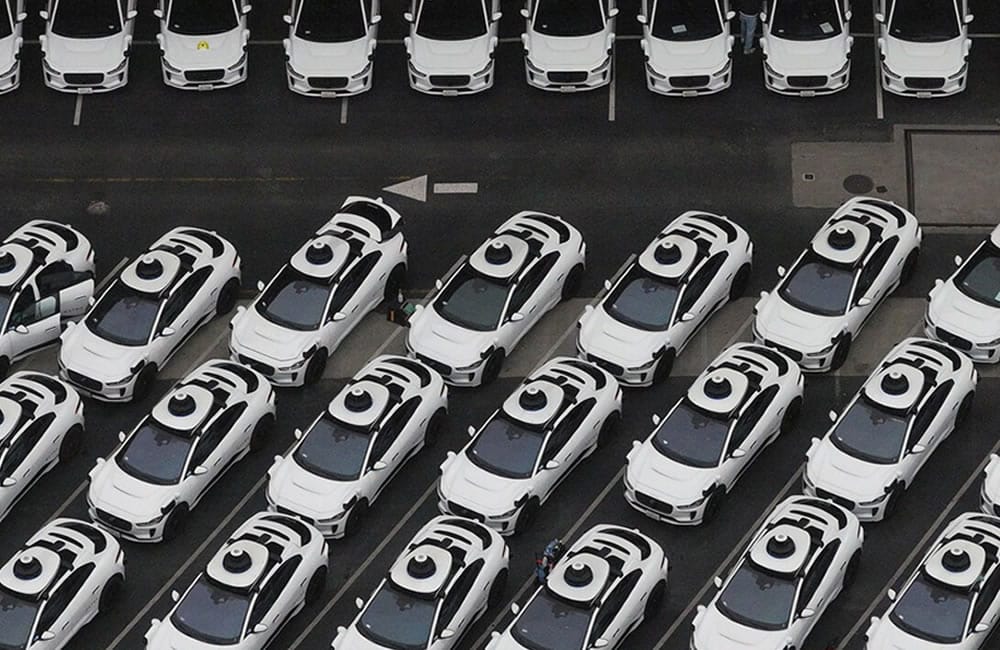
Recent agreements include collaborations with multiple autonomous vehicle developers, such as Waymo, to integrate driverless ride-hailing services into Uber’s platform in selected U.S. cities. These deals will allow users to book self-driving cars directly through the Uber app, blending human-driven and autonomous rides within the same interface. The company hopes this hybrid approach will speed adoption and smooth the transition for passengers.
For Uber, the stakes are high. Driverless technology could slash its largest expense—paying human drivers—while enabling round-the-clock service. It could also help address safety concerns and boost efficiency. However, the road to autonomy remains complex. Self-driving cars must navigate a patchwork of state regulations, public skepticism, and ongoing technological challenges, particularly in adverse weather and dense urban environments.
Uber’s renewed push comes after an earlier, costly foray into self-driving ended in 2020, when it sold its in-house autonomous vehicle unit, Advanced Technologies Group, to Aurora Innovation. That retreat followed a series of setbacks, including a fatal crash involving one of its test vehicles in Arizona.
This time, instead of building the technology itself, Uber is acting as a platform for established autonomous developers—reducing its financial risk while tapping into cutting-edge expertise. Industry analysts see the move as pragmatic, allowing Uber to focus on its strengths: scaling services, managing demand, and integrating technology into the everyday transport experience.
The autonomous push also aligns with Uber’s long-term strategy to become a multi-modal mobility platform, incorporating ride-hailing, food delivery, public transport integration, and now, potentially, large-scale driverless fleets.
While mass adoption of driverless cars could still be years away, Uber’s latest manoeuvres suggest it is determined not to miss the moment. The company that once disrupted the taxi industry is now preparing for disruption of its own business model—only this time, it’s trying to stay firmly in the driver’s seat, even if there’s no one behind the wheel.

