



After years of economic isolation, crippling sanctions, and institutional collapse, Venezuela’s long-standing financial barrier is beginning to show signs of breaking—raising cautious optimism among global investors and policymakers that the country may be edging toward reintegration into the international financial system.
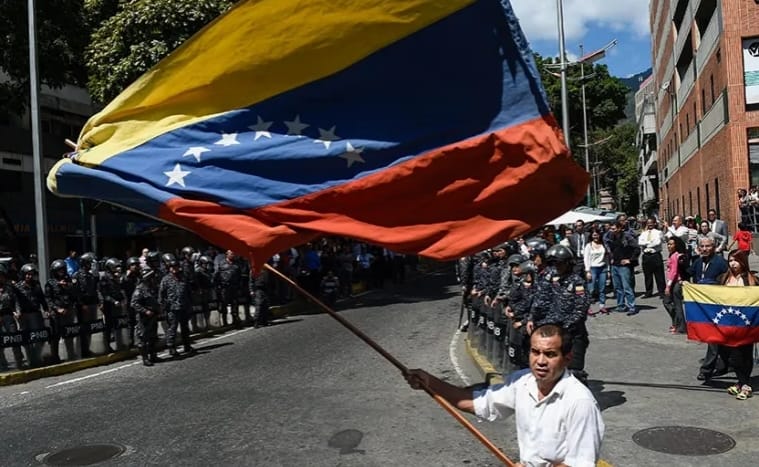
For over a decade, Venezuela has operated behind what many analysts described as a “financial wall”—cut off from global capital markets, multilateral institutions, and mainstream banking channels. Sanctions, sovereign debt defaults, and political instability effectively locked the country out of international finance, forcing it to rely on unconventional mechanisms to sustain its economy.
Now, that isolation is beginning to ease.
Recent developments have signalled a shift. The re-engagement of major international institutions such as the International Monetary Fund and the World Bank marks the first meaningful financial opening since 2019. This renewed contact is expected to pave the way for technical support, economic assessments, and potentially billions of dollars in financial assistance if reforms take hold.
At the same time, the United States has begun easing certain financial restrictions, allowing Venezuelan institutions limited access to global banking systems and oil revenues. While not a full lifting of sanctions, the move represents a significant step toward restoring liquidity and stabilising the country’s fragile financial framework.
Investor sentiment has responded quickly. Bond markets have seen renewed interest, with asset managers and global banks cautiously re-evaluating Venezuela as a high-risk but potentially high-reward opportunity. Years of exclusion have left Venezuelan assets deeply undervalued, creating what some describe as a “reset moment” for capital markets.
Yet the reality remains complex.
Venezuela is still burdened with an estimated $150 billion in debt, much of it in default, alongside weakened institutions, deteriorated infrastructure, and lingering macroeconomic instability. The country’s economy, heavily dependent on oil, has struggled to recover from years of underinvestment and mismanagement, with production levels still far below historic peaks.
A financial analyst noted, “The wall may be cracking, but it has not collapsed. What we are seeing is the beginning of access—not full integration.”
The path forward will depend heavily on political stability, economic reforms, and the government’s ability to rebuild trust with international partners. Transparency, credible data, and debt restructuring will be critical milestones before meaningful capital inflows can materialise.
For now, Venezuela stands at a delicate turning point. The barriers that once isolated its financial system are no longer impenetrable, but neither are they fully dismantled. What emerges next will determine whether this moment represents a genuine economic reopening—or simply a temporary breach in a wall that has defined the country’s modern economic history.

