




Property developers across the West Midlands are being encouraged to access millions of pounds in funding aimed at accelerating the delivery of new housing schemes, particularly on challenging urban sites. The initiative, led by the West Midlands Combined Authority (WMCA), seeks to unlock stalled developments and address the region’s growing housing shortage.
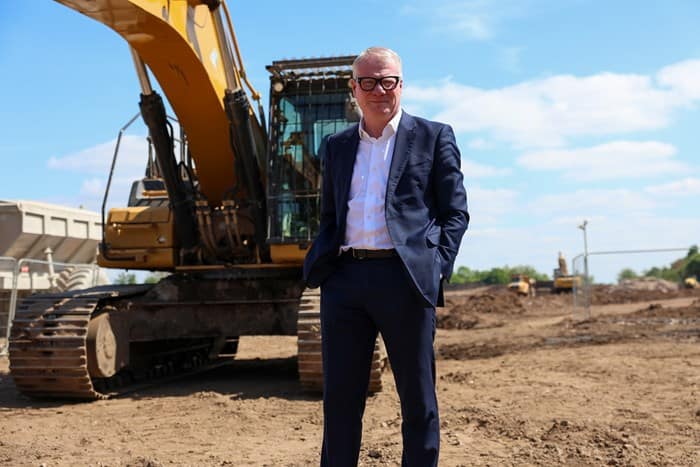
Approximately £57 million has been secured for the coming year, adding to existing funding streams designed to support developers building on brownfield land—derelict industrial areas and vacant urban sites that are often overlooked due to high redevelopment costs. These sites, while abundant, typically require extensive and expensive remediation work, making them financially unviable for smaller developers without public support.
The WMCA hopes to change that dynamic by offering financial assistance that reduces upfront costs and makes projects commercially feasible. By doing so, the authority aims not only to increase the supply of new homes but also to stimulate economic growth, create jobs, and transform neglected areas into thriving communities.
Max Abbott, the WMCA’s head of development and delivery, has called on developers to seize the opportunity. He emphasised that any scheme involving 10 homes or more that is struggling financially could benefit from the available support. According to him, thousands of underused sites across the region are in urgent need of redevelopment at a time when demand for affordable housing continues to rise sharply.
Since 2018, the WMCA has already committed around £159 million to housing projects, helping to unlock more than 8,500 homes—many of them built on previously derelict land. This track record underscores the potential impact of targeted funding in overcoming barriers that have historically slowed urban regeneration.
Under the leadership of Richard Parker, there has been a renewed focus on delivering affordable housing, particularly homes for social rent, which remain in critically short supply. The urgency of the situation is reflected in the latest figures, showing over 65,000 households on social housing waiting lists across the region, with thousands more living in temporary accommodation, including many families with children.
To address this, the mayor has championed an ambitious housing agenda. Backed by government support of up to £1.7 billion for a 10-year Social and Affordable Homes Programme, the region is aiming to deliver at least 10,000 affordable homes over the next decade. Complementing this is a £40 million Social Housing Accelerator Fund introduced in October 2025, designed to fast-track the delivery of social rent properties by cutting bureaucratic delays.
This additional funding is expected to convert around 1,000 homes—whether already built, under construction, or in the pipeline—into social rent properties. These will add to more than 750 such homes already unlocked since Parker took office, forming part of his broader “Homes for Everyone” initiative.
Taken together, these efforts represent a significant push to tackle the housing crisis in the West Midlands. For developers, the message is clear: financial support is available, and the opportunity to play a key role in reshaping the region’s housing landscape has never been greater.

