




Zimbabwe’s president wants to remove obstacles to his continued rule but international creditors are wary of his plans.
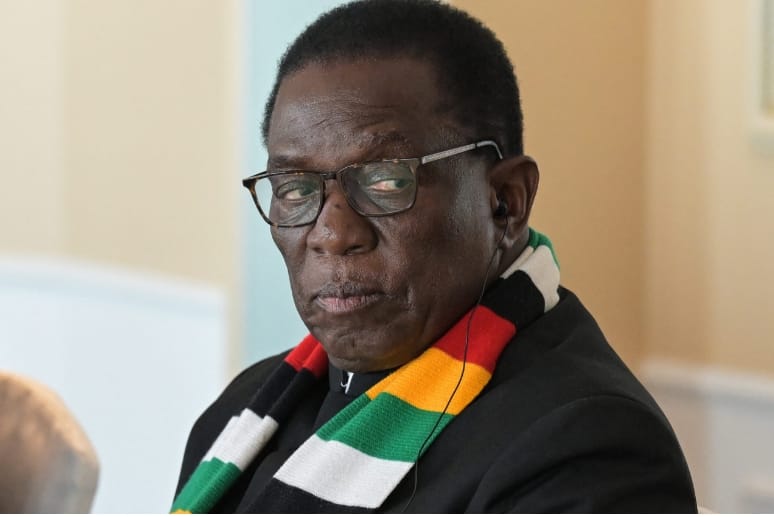
Zimbabwe’s efforts to secure long-awaited debt relief are facing renewed uncertainty amid political moves linked to President Emmerson Mnangagwa’s reported plans to extend his time in office, raising concerns among international creditors and development partners.
The southern African nation, which has been struggling with debt distress for years, has been engaged in delicate negotiations aimed at restructuring billions of dollars in arrears and restoring access to international financing. Progress has been incremental but fragile, built on commitments around economic reform, fiscal discipline, and governance improvements intended to rebuild trust with lenders.
However, recent political developments suggesting an attempt to remove constitutional or institutional barriers to the president’s continued rule have introduced a new layer of risk into the debt relief process. Analysts say such moves could undermine investor confidence and complicate already complex negotiations with international creditors, including multilateral institutions and bilateral partners.
Zimbabwe remains in arrears on external debt estimated at over $10 billion, much of it owed to the World Bank, African Development Bank, and various Paris Club creditors. Debt clearance has long been viewed as a critical step toward unlocking fresh capital inflows, stabilising the currency, and supporting economic recovery efforts.
Yet creditors typically attach significant weight to governance standards, rule of law, and political predictability when assessing debt restructuring agreements. Any perception of institutional backsliding or prolonged political uncertainty can delay or derail progress, particularly in countries with a history of economic volatility.
Within Zimbabwe, government officials argue that political continuity is necessary to maintain policy direction and avoid disruption to ongoing economic reforms. Supporters of the administration say stability at the highest level of leadership is essential to sustaining engagement with international partners and ensuring consistency in development planning.
However, critics warn that extending presidential tenure could deepen mistrust with external lenders and international markets at a time when Zimbabwe is trying to re-establish credibility after years of isolation from global financial systems. Civil society groups and opposition figures have also raised concerns about democratic accountability and constitutional integrity.
Economists observing the situation note that Zimbabwe’s debt relief strategy is highly sensitive to perceptions of governance reform. Any signal of weakened institutional checks and balances could slow down negotiations or increase the conditions attached to future assistance packages.
At the same time, global creditors are increasingly focused on transparency and political risk when engaging with highly indebted developing economies. In this context, Zimbabwe’s political direction is becoming closely intertwined with its economic future.
As the country attempts to navigate a difficult path toward debt resolution and reintegration into global capital markets, the balance between political ambition and economic credibility is likely to remain a decisive factor in shaping outcomes.

