




Prime Minister Keir Starmer is facing mounting pressure within his party after a public clash over proposed immigration reforms exposed deep divisions at the heart of Labour. The row erupted following sharp criticism from former deputy prime minister Angela Rayner, who branded key elements of the policy “un-British” and a “breach of trust,” raising questions about the government’s direction and authority.
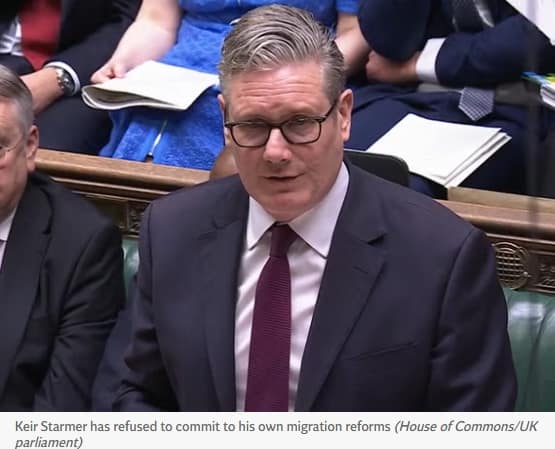
At the centre of the dispute is a flagship proposal led by Home Secretary Shabana Mahmood to overhaul the rules governing indefinite leave to remain (ILR). The reforms would double the qualifying period for settlement from five to ten years, a move intended to tighten immigration controls and respond to political pressure over migration levels. However, controversy has intensified over whether these changes should apply retrospectively to migrants already living and working in the UK under the existing system.
Downing Street has notably wavered in its response. Rather than offering a firm endorsement of the policy, the prime minister’s spokesperson emphasised that the government is still reviewing responses to a Home Office consultation, which reportedly drew around 200,000 submissions before closing in February. While officials later insisted that “the position has not changed,” the lack of immediate clarity has fuelled speculation that Starmer may be reconsidering aspects of the reforms in light of internal opposition.
Rayner’s intervention has proven particularly disruptive. Speaking earlier in the week, she argued that altering settlement terms for those already in the system undermines fairness and stability. Many migrants, she noted, had made life decisions based on the expectation that they could secure permanent residency after five years, provided they worked, paid taxes, and followed the law. Changing those rules now, she warned, would effectively “pull the rug” from under them, eroding trust in government commitments.
Her remarks have resonated with parts of the Labour Party. Andy Burnham publicly backed her stance, suggesting that the party should listen carefully to her concerns. Other MPs echoed this sentiment privately, indicating that Rayner’s position reflects a broader unease among Labour’s ranks about the tone and substance of the proposed reforms.
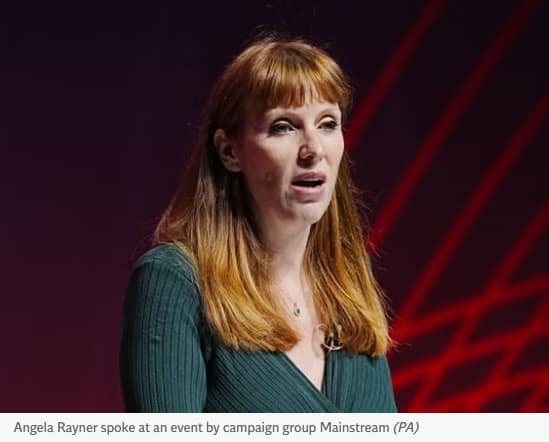
Yet the backlash has been far from unanimous. Allies of Mahmood have criticised Rayner’s intervention as misguided, with some questioning her political judgement and motives. Others within the party have dismissed her comments as lacking substance, arguing that they fail to present a coherent alternative approach to immigration policy. The disagreement has exposed a growing ideological split between those advocating stricter controls and those warning against policies perceived as punitive or inconsistent.
The political stakes are high for Starmer. Immigration remains a key battleground issue, particularly as Labour seeks to regain ground lost to rivals and address declining approval ratings. The reforms are a central pillar of the party’s strategy to demonstrate control and credibility on borders, especially in the face of pressure from opposition voices.
The Conservative Party has seized on the discord, accusing Starmer of weakness and suggesting that any dilution of the proposals would signal an inability to lead. Shadow home secretary Chris Philp went further, offering Conservative support to push the measures through Parliament if Labour backbenchers resist.
Despite the escalating tensions, Downing Street insists that Starmer and Rayner maintain a constructive working relationship, with the prime minister reportedly open to her return to a senior cabinet role. Nevertheless, the episode underscores a broader challenge for Labour: balancing internal unity with the need to articulate a clear and consistent policy direction.
As the government prepares to respond formally to the consultation, the outcome will be seen as a crucial test of Starmer’s leadership. Whether he stands firm behind Mahmood’s reforms or adjusts course in response to internal dissent could shape not only Labour’s immigration policy but also its political identity in the months ahead.

