



The state visit of Bola Ahmed Tinubu to the United Kingdom, hosted by King Charles III at Windsor Castle, carries all the weight of history, symbolism, and diplomatic prestige. It is the first of its kind in nearly four decades, a moment carefully choreographed to project influence, partnership, and renewed engagement between two nations bound by history and shared interests. Alongside him, Oluremi Tinubu adds a softer, cultural dimension, with her engagement at Lambeth Palace reinforcing the broader narrative of connection beyond politics.

Yet beyond the grandeur and ceremony, a more urgent and uncomfortable question lingers: what does this visit actually change for ordinary Nigerians?
Because diplomacy, however elegant, must ultimately deliver substance.
There is no denying the significance of the moment. Trade between Nigeria and the UK is growing, now exceeding £8 billion, and cooperation spans key areas including security, migration, and infrastructure. The optics are strong, the access is real, and the global stage is firmly in view. But history offers a sobering reminder—high-level visits do not automatically translate into high-level outcomes. Too often, they produce statements of intent rather than measurable progress.
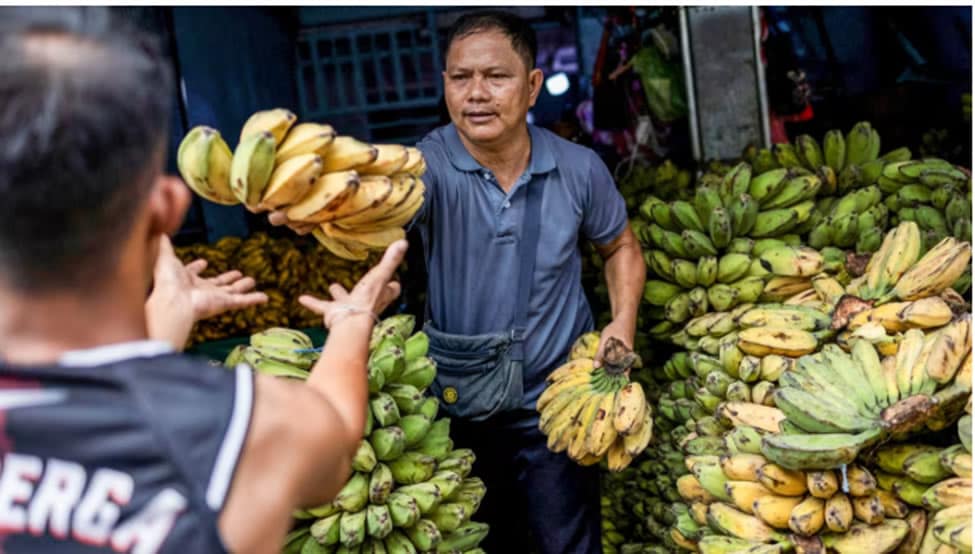
“Diplomacy must go beyond photographs and formalities—it must translate into food on the table, jobs in the economy, and stability in people’s lives.”
That is where the real test lies.
Nigeria arrives at this table with enormous potential, but also with pressing domestic challenges—rising inflation, currency instability, unemployment, and ongoing security concerns. Against that backdrop, the expectations from this visit must be clear, deliberate, and unapologetically focused on national interest. The question is not whether relationships are being strengthened, but whether those relationships are being leveraged effectively.
What should Nigeria be asking for? Not vague assurances, but concrete commitments. Not memoranda of understanding, but bankable deals. Infrastructure financing, technology transfer, and investment guarantees should form the backbone of any meaningful engagement. The UK remains a global financial hub, and Nigeria must position itself not just as a partner, but as a destination for structured, scalable investment.
Trade, too, must be interrogated beyond headline figures. While volumes are rising, the structure of that trade matters. Nigeria cannot continue to operate at the lower end of the value chain, exporting raw materials while importing finished goods. This visit should be a platform to negotiate fairer access for Nigerian products, particularly in manufacturing, agriculture, and the creative industries. The goal must be to shift from extraction to production, from participation to competitiveness.
Migration presents another critical dimension. The UK’s demand for skilled professionals aligns directly with Nigeria’s human capital advantage. Yet without structured pathways, this dynamic risks continuing as a one-way flow—talent leaving, with limited return. The opportunity here is to redefine that relationship, turning “brain drain” into “brain circulation,” where skills, knowledge, and capital move in both directions. Mutual recognition of qualifications, targeted exchange programmes, and diaspora investment frameworks could transform this space into a strategic asset.
And then there is security—a persistent and complex challenge. Nigeria must seek cooperation, yes, but on terms that respect sovereignty and national priorities. Intelligence sharing, technological support, and capacity building are essential, but they must be grounded in mutual respect and long-term stability, not short-term optics.
Perhaps the most underutilised asset in this entire equation is the Nigerian diaspora. In the UK, Nigerians are not just a community—they are a force. Professionals, entrepreneurs, academics, and innovators contributing significantly to the British economy while maintaining strong ties to home. Yet their potential as structured economic partners remains largely untapped.
“They are more than remittance senders—they are investors, connectors, and catalysts for national growth.”
The challenge is not their willingness, but the absence of a coherent framework to engage them. A Diaspora Investment Desk, targeted funding platforms, and formal recognition of diaspora leadership could unlock billions in capital and expertise. The question is whether Nigeria is ready to move from symbolic engagement to strategic inclusion.
At the centre of this ecosystem sits the Nigerian High Commission London, an institution that should function as a gateway for opportunity but is too often perceived as bureaucratic and disconnected. This visit presents an opportunity for reset. The High Commission must evolve into a proactive hub—facilitating business, supporting citizens, and actively driving Nigeria’s economic interests in the UK. It should be the first point of contact for investors, not the last resort for paperwork.
Beyond economics and policy lies the powerful realm of culture. Nigeria’s global influence is undeniable—from music to fashion, film to food. This is soft power at scale, a narrative that shapes perception and opens doors. Yet it must be intentionally integrated into diplomatic strategy. Cultural showcases, creative partnerships, and tourism promotion should not be side events—they should be central to how Nigeria positions itself globally.
In this context, the role of Oluremi Tinubu becomes particularly significant. Her engagement at Lambeth Palace represents more than symbolism; it is an opportunity to connect faith, community, and development. But even here, the question remains: how does this translate into impact? Can it drive partnerships in education, women empowerment, and healthcare? Can it move from message to measurable change?
Because ultimately, the success of this visit will not be judged in Windsor—it will be judged in Lagos, Abuja, Kano, and beyond.
It will be measured in the cost of food, the availability of jobs, the stability of the naira, and the safety of communities.
The greatest risk is not failure in diplomacy—it is failure in follow-through. Agreements must not end as communiqués; they must become commitments with timelines, accountability, and clear outcomes. Nigerians deserve to know not just what was discussed, but what will be delivered.
As the state banquet concludes and the speeches fade, the real work begins. The spotlight will shift from ceremony to substance, from global stage to domestic reality.
And the question will remain, echoing beyond the walls of Windsor Castle:
Is Nigeria negotiating from a position of strength—or simply showing up?

