




Fresh political controversy has emerged in Westminster following claims that officials within 10 Downing Street may have quietly encouraged senior civil servant Olly Robbins to support the appointment of a former aide linked to Keir Starmer to a diplomatic role, raising questions about transparency and political influence in ambassadorial selections.
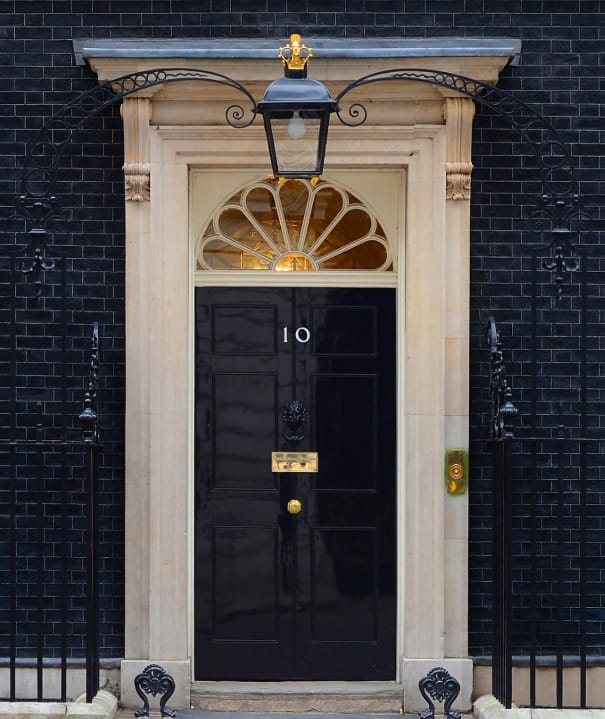
The allegations, which have not been formally substantiated, centre on suggestions that informal pressure was applied behind the scenes during discussions over a high-profile overseas posting. The aide in question, previously associated with Starmer’s political team, had reportedly faced criticism in the past, making the proposed appointment particularly contentious within Whitehall circles.
Government sources have been quick to downplay the claims, insisting that all diplomatic appointments follow established procedures, including rigorous vetting and independent oversight. However, the reports have sparked renewed scrutiny of how senior appointments are made—and whether political considerations can overshadow merit-based selection.
A former senior official familiar with Whitehall processes commented:
“The integrity of diplomatic appointments depends not just on the process, but on the perception of independence. Even the suggestion of political influence can undermine confidence.”
At the centre of the discussion is Robbins, a highly respected figure within the civil service who previously played a central role in Brexit negotiations. Known for his technocratic approach and adherence to institutional norms, his alleged involvement—whether direct or indirect—has drawn particular attention.
Observers note that Robbins’ reputation for professionalism makes the situation more sensitive, as it raises broader questions about the pressures faced by senior civil servants when navigating politically charged environments.
The controversy also places a spotlight on the role of Downing Street in shaping appointments that, while technically overseen by formal processes, are often influenced by wider strategic considerations. Diplomatic postings, especially in key international capitals, are seen as both policy tools and symbols of national representation, making them highly sought-after and politically significant.
Critics argue that any perceived attempt to place politically connected individuals into such roles risks eroding trust in the system. Supporters, however, maintain that governments have always played a role in shaping diplomatic priorities, including selecting individuals who align with broader policy objectives.
A political analyst in London noted:
“There’s a fine line between strategic alignment and political patronage. The challenge is ensuring that line is not crossed—or at least not seen to be crossed.”
For the Prime Minister, the timing of the controversy is far from ideal. With ongoing debates around governance standards, public sector transparency, and accountability, even unproven allegations can carry political weight.
Downing Street has not issued a detailed response to the specific claims but has reiterated its commitment to maintaining high standards in public appointments. Officials have also pointed to existing safeguards, including advisory panels and vetting procedures, designed to ensure fairness and integrity.
Nonetheless, the episode has reignited a familiar debate in British politics: how to balance political leadership with institutional independence, particularly in areas where influence and authority intersect.
For now, the story remains one of allegation rather than confirmation. But as scrutiny intensifies, the pressure on both political leaders and senior civil servants to demonstrate transparency and uphold trust in the system is likely to grow.
Whether this latest controversy leads to formal inquiries or fades as a political flashpoint will depend largely on whether further evidence emerges. What is certain, however, is that questions around influence, accountability, and the integrity of public appointments are once again firmly on the national agenda.

