




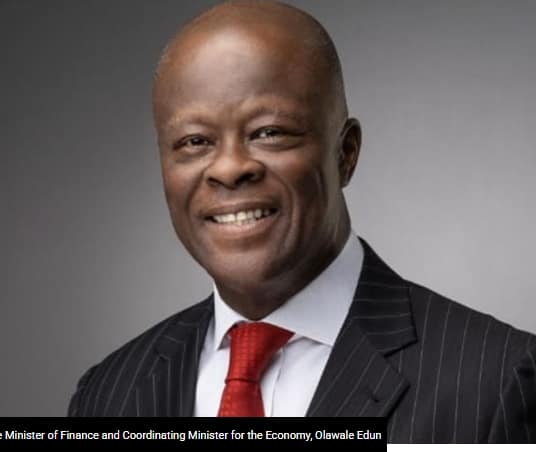
Nigeria’s economic leadership has taken a dramatic turn following the appointment of Taiwo Oyedele as the country’s new Minister of Finance, replacing Wale Edun in a move that signals a potential shift in fiscal direction amid mounting economic pressures.

The decision, announced late Monday, comes at a critical moment for Africa’s largest economy, which continues to grapple with inflationary pressures, currency instability, and growing public concern over the cost of living. Analysts say the leadership change could mark a recalibration of Nigeria’s economic reform agenda, particularly in taxation, revenue generation, and fiscal transparency.
Oyedele, widely known for his work in tax policy and economic advisory, steps into the role with a reputation for reform-driven thinking and a strong emphasis on broadening Nigeria’s revenue base. His appointment has been interpreted by many as a signal that the government is placing renewed focus on domestic revenue mobilisation rather than reliance on debt and oil earnings.
A senior economic analyst in Abuja described the move as both strategic and urgent.
“This is not just a personnel change; it is a policy signal. Bringing in someone with deep expertise in fiscal reform suggests the government is looking to reset its approach to revenue and economic management.”
By contrast, Edun’s tenure, though marked by efforts to stabilise the economy and attract investment, faced increasing criticism over the pace and impact of reforms. Rising inflation, persistent currency volatility, and public dissatisfaction with economic conditions created mounting pressure on the administration to reconsider its strategy.
While no official criticism accompanied Edun’s exit, insiders suggest that the leadership reshuffle reflects broader concerns about policy delivery and economic outcomes.
Oyedele now faces an immediate and complex set of challenges. Nigeria’s fiscal position remains strained, with government revenues under pressure and debt servicing consuming a significant portion of national income. At the same time, expectations are high for reforms that can stimulate growth, improve investor confidence, and ease the burden on citizens.
One of the key areas of focus is expected to be tax reform. Oyedele has previously advocated for a more efficient and equitable tax system, including simplifying tax structures, reducing compliance burdens, and expanding the tax net to capture more economic activity.
A policy advisor familiar with his work noted:
“Oyedele understands that Nigeria cannot tax its way to growth without first fixing the system. His approach has always been about balance—improving revenue while supporting economic activity.”
Markets and investors are likely to watch closely how quickly the new finance minister moves to articulate his policy direction. Confidence in Nigeria’s economic management has been tested in recent months, and clear communication will be essential in stabilising expectations.
There are also broader political implications. Economic management remains one of the most sensitive aspects of governance in Nigeria, and changes at the top of the finance ministry often reflect deeper shifts in policy priorities and political strategy.
For many Nigerians, however, the focus will be less on personalities and more on outcomes. With rising living costs and economic uncertainty affecting households across the country, there is growing demand for tangible improvements in economic conditions.
As Oyedele takes office, the challenge will be to translate reform ideas into measurable impact—balancing fiscal discipline with economic growth, and policy ambition with practical delivery.
Whether this leadership change marks a turning point for Nigeria’s economy remains to be seen. But one thing is clear: expectations are high, and the room for error is narrowing.

